>>
>>
Ball Clay

Ball Clay

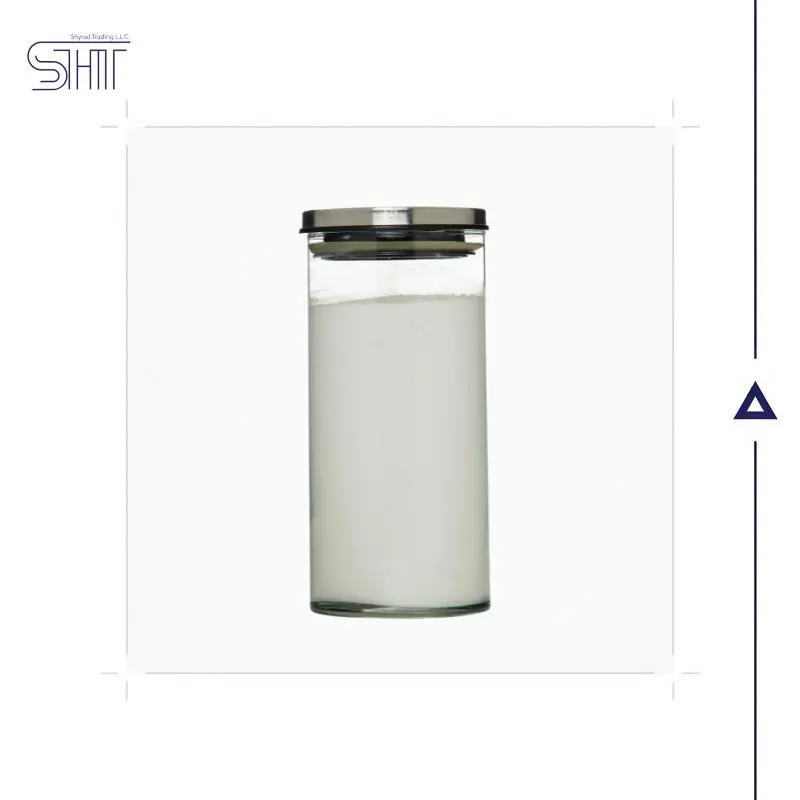
Ball clay is a highly plastic, fine-grained clay composed mainly of kaolinite, mica, and quartz. It is valued in ceramics for its workability, strength, and ability to improve the forming and shaping of clay bodies. Found in sedimentary deposits, ball clay is typically grayish in raw form but fires to a light color, making it highly suitable for whiteware ceramics.

chemical formula

Kaolinite (Al₂Si₂O₅(OH)₄), quartz (SiO₂), mica

Physical and Chemical Properties

• Major Components: Kaolinite (Al₂Si₂O₅(OH)₄), quartz (SiO₂), mica
• Appearance: Soft, fine-textured, gray to brown raw clay
• Plasticity: High (excellent shaping ability)
• Particle Size: Very fine (<2 μm for majority)
• Firing Behavior: Shrinks upon firing, turns cream to white in color depending on iron content
• Moisture Content (raw): ~20–30%

Molecular Structure and Reactions

The dominant mineral, kaolinite, is a layered silicate with hydrogen bonding between sheets, giving the clay its plasticity. During firing, organic matter burns off, and kaolinite transforms into mullite and amorphous silica, contributing to strength and whiteness.

Production Methods

1. Mining: Extracted from open-pit deposits in sedimentary basins.
2. Blending: Different grades are mixed to achieve consistent plasticity and color.
3. Processing: Filter pressing and drying to remove excess water, then pulverized into fine powders for industrial use.

Applications

A) Ceramics – Essential in tile, sanitaryware, and tableware bodies. It improves plasticity for shaping, binds other materials, and enhances fired strength.
B) Glazes & Engobes – Contributes to suspension and application properties.
C) Refractories & Insulators – Used in some refractory compositions and electrical insulators due to its strength after firing.

Advantages

Advantages

Summary