>>
>>
Boric Acid

Boric Acid

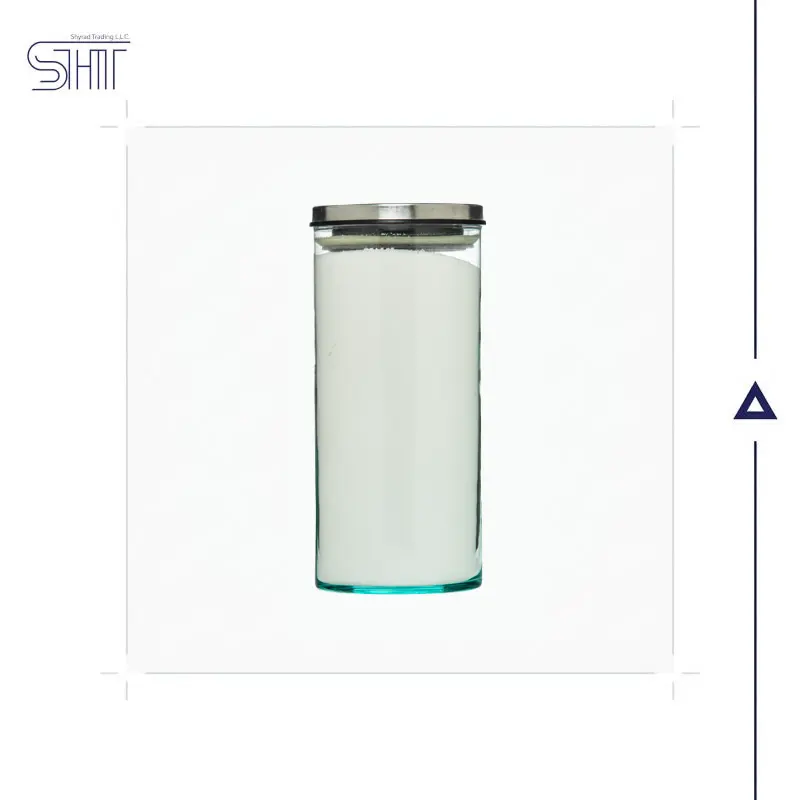
Boric acid is an inorganic compound with the chemical formula, appearing as a white, crystalline powder that dissolves readily in water. Due to its unique chemical and biological properties, it finds use across diverse fields, including medicine, agriculture, materials manufacturing, and pest control. Originally discovered in the 19th century from natural borate minerals, boric acid is now produced industrially from both mineral and brine sources.

chemical formula

H₃BO₃

Physical and Chemical Properties

Chemical Formula:
Molar Mass: 61.83 g/mol
Appearance: White, crystalline solid
Melting Point: ~171 °C
Solubility: Soluble in water, alcohol, and glycerin
Acidity: Weak acid (pKa ≈ 9.2)

Molecular Structure and Reactions

Boric acid consists of a boron atom bonded to three hydroxyl (–OH) groups in a planar configuration. In aqueous solution, it does not release protons directly; instead, it reacts with water molecules to form the tetrahydroxyborate anion and hydronium ions.
B(OH)3+H2O→B(OH)-4+H3O+

Production Methods

1. From Borate Minerals: Produced by reacting Borax with a mineral acid such as hydrochloric acid.
2. From Industrial Sources: Extracted from boron rich brines and evaporite deposits.
3. Laboratory Synthesis: Prepared by reacting sodium or potassium borates with strong acids like sulfuric or hydrochloric acid.

Applications

A) Ceramics
In ceramic manufacturing, boric acid functions as a flux, lowering the melting temperature of the raw materials. This results in energy savings, improved glaze smoothness, and enhanced bonding between components. Additionally, it increases both the mechanical strength and chemical durability of the finished ceramic products.
B) Glass Manufacturing
Boric acid is a crucial component in borosilicate glass production. Boron atoms strengthen the silicate network, reducing the coefficient of thermal expansion and enhancing resistance to thermal shock and chemical corrosion. This makes borosilicate glass suitable for laboratory glassware, heat-resistant cookware, high-intensity lighting, and solar panel covers.
C) Refractories
Boric acid is widely used in refractory bricks, castables, and coatings. When combined with metal oxides, it forms heat-resistant and chemically stable materials. These are essential in furnace linings, metallurgical plants, and power generation facilities. The addition of boric acid also reduces brittleness at high temperatures, extending the operational life of refractory equipment.

Advantages

Advantages

Summary

Boric acid is a versatile compound with a wide range of applications, particularly in glass, ceramic, and refractory manufacturing, where its unique thermal and chemical properties are indispensable. Understanding its properties, safe handling, and optimal uses allows industries and researchers to harness its full potential while minimizing associated risks.