>>
>>
Calcined Alumina Alpha

Calcined Alumina Alpha

Calcined alumina is a high‑purity form of aluminum oxide (Al₂O₃) produced by calcining aluminum hydroxide at high temperatures. During this thermal treatment, chemically bound water is removed, resulting in a stable crystalline material, primarily in the alpha‑alumina (α‑Al₂O₃) phase. Calcined alumina is known for its exceptional hardness, thermal stability, chemical resistance, and electrical insulating properties. Because of these characteristics, it is widely used in ceramics, refractories, abrasives, polishing compounds, and advanced technical materials.

chemical formula

Al₂O₃

Physical and Chemical Properties

Chemical Formula: Al₂O₃

Molar Mass: 101.96 g/mol

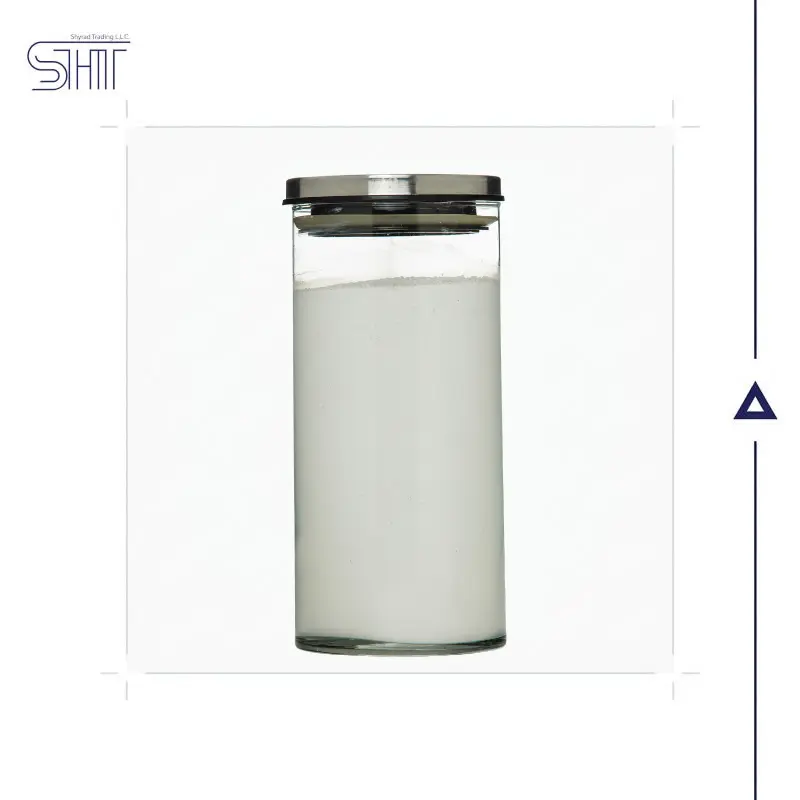
Appearance: White crystalline powder

Melting Point: ~2072 °C

Boiling Point: ~2977 °C

Solubility: Insoluble in water; soluble in strong acids and bases under certain conditions

Crystal Structure: Mainly alpha‑alumina (corundum structure)

Hardness: Very high (Mohs hardness ≈ 9)

Molecular Structure and Reactions

Calcined alumina consists of aluminum ions (Al³⁺) and oxide ions (O²⁻) arranged in a dense hexagonal crystal lattice known as the corundum structure. This structure provides high mechanical strength, chemical inertness, and excellent thermal resistance.

Alumina is considered amphoteric, meaning it can react with both acids and bases.

Reaction with acids:

Al₂O₃ + 6HCl → 2AlCl₃ + 3H₂O

Reaction with bases:

Al₂O₃ + 2NaOH + 3H₂O → 2Na[Al(OH)₄]

These reactions occur mainly under high temperature or concentrated chemical conditions.

Production Methods

  1. Bayer Process (Precursor Production):

Aluminum hydroxide (Al(OH)₃) is produced from bauxite ore through the Bayer process.

  1. Calcination Process:

The aluminum hydroxide is heated in rotary kilns or fluidized bed calciners at temperatures typically between 1000–1200 °C. This removes water and converts the material into stable alpha‑alumina.

  1. Milling and Classification:

The calcined alumina is then milled and classified to obtain specific particle sizes suitable for different industrial applications.

Applications

  1. A) Ceramics

Calcined alumina is a fundamental raw material in advanced ceramic production. It provides high hardness, wear resistance, and thermal stability. It is widely used in electrical insulators, ceramic substrates, spark plug insulators, and structural ceramics.

  1. B) Refractories

In refractory materials, calcined alumina improves resistance to high temperatures, thermal shock, and chemical attack. It is commonly used in refractory bricks, castables, kiln furniture, and furnace linings in steel, cement, and glass industries.

  1. C) Abrasives and Polishing

Due to its high hardness and durability, calcined alumina is widely used in abrasive products such as grinding wheels, sandpapers, and polishing compounds. It is also used for precision polishing of metals, glass, and electronic components.

  1. D) Electronics and Advanced Materials

Calcined alumina serves as an important material in electronic substrates and insulating components because of its excellent dielectric strength and thermal conductivity. It is also used in catalyst supports and high‑performance coatings.

Advantages

Advantages

Summary

Calcined alumina is a highly durable and thermally stable material that plays a critical role in many industrial applications, especially in ceramics, refractories, abrasives, and electronics. Its exceptional hardness, chemical resistance, and electrical insulation properties make it an essential material in both traditional and advanced manufacturing technologies.