>>
>>
Calcium Carbonate

Calcium Carbonate

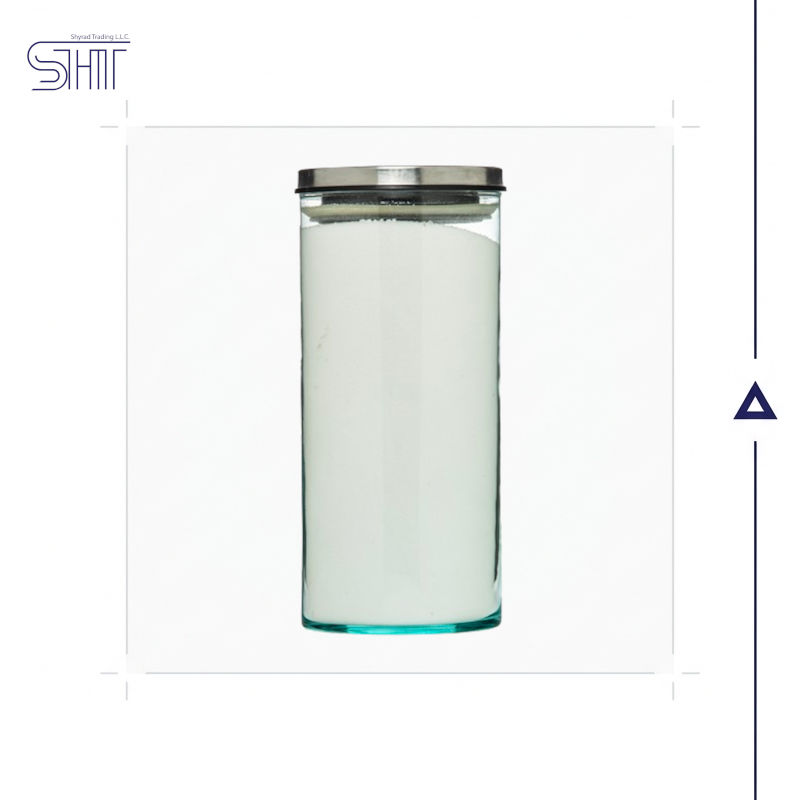
Calcium carbonate is a common substance found in rocks as the minerals calcite and aragonite and is the main component of eggshells, snail shells, seashells, and pearls. It is an inorganic compound appearing as a fine white powder or colorless crystals. Due to its abundance and versatile chemical properties, it is one of the most widely used industrial minerals, serving critical roles in construction, manufacturing, agriculture, and healthcare.

chemical formula

CaCO_3

Physical and Chemical Properties

  • Chemical Formula:
  • Molar Mass: 100.09 g/mol
  • Appearance: Fine white powder; odorless and tasteless
  • Melting Point: Decomposes at approximately 825 °C (into calcium oxide and carbon dioxide)
  • Solubility: Practically insoluble in water; soluble in dilute acids with effervescence
  • Acidity/Basicity : Acts as a weak base; reacts with acids

Molecular Structure and Reactions

Calcium carbonate is an ionic compound consisting of calcium cations () and carbonate anions (). In the solid state, it typically crystallizes in the trigonal system (calcite). One of its most characteristic chemical reactions is its decomposition upon heating or its reaction with acids, which releases carbon dioxide gas:


Production Methods

  1. Ground Calcium Carbonate (GCC): Produced by mining and mechanically grinding natural mineral sources like limestone, chalk, or marble into various particle sizes.
  2. Precipitated Calcium Carbonate (PCC): Synthesized chemically through a carbonation process, where carbon dioxide is bubbled through a solution of calcium hydroxide, resulting in high purity and specific crystal shapes.
  3. Industrial By-product: Recovered from certain industrial chemical processes as a refined secondary material.

Applications

  1. A) Construction and Building Materials

In the construction industry, calcium carbonate is indispensable. It is a primary ingredient in the production of cement, mortar, and concrete. It also serves as a critical filler in asphalt for road construction and is used in the manufacturing of floor tiles, roofing shingles, and drywalls, providing structural integrity and durability.

  1. B) Paper, Plastics, and Paints

Calcium carbonate is the most widely used filler and coating pigment in the paper industry, enhancing the whiteness, brightness, and opacity of paper products. In the plastics industry, it improves the heat resistance and mechanical properties of PVC and other polymers. In paints and coatings, it acts as an extender to increase volume and provide a matte finish while reducing costs.

  1. C) Agriculture and Environmental Treatment

Known as “agricultural lime,” it is used to neutralize acidic soils, providing essential calcium for plant growth and improving nutrient uptake. Environmentally, it is employed in water and flue gas treatment to neutralize acidity and remove harmful pollutants, helping to mitigate the effects of acid rain in lakes and streams.

  1. D) Healthcare and Food Industry

In the pharmaceutical sector, calcium carbonate is used as an effective antacid to relieve heartburn and as a dietary supplement to treat or prevent calcium deficiency (osteoporosis). In the food industry, it serves as a firming agent, a dough conditioner, and a source of calcium fortification in beverages and baked goods.

Advantages

Advantages

Summary

Calcium carbonate is a versatile and essential mineral that underpins a vast array of modern industrial and biological processes. From its role in building the infrastructure of our cities to its use in high-tech manufacturing and daily healthcare, its unique physical and chemical properties make it an irreplaceable resource. Proper selection of the grade—whether GCC or PCC—allows industries to optimize performance and sustainability across diverse applications.