>>
>>
Strontium Carbonate

Strontium Carbonate

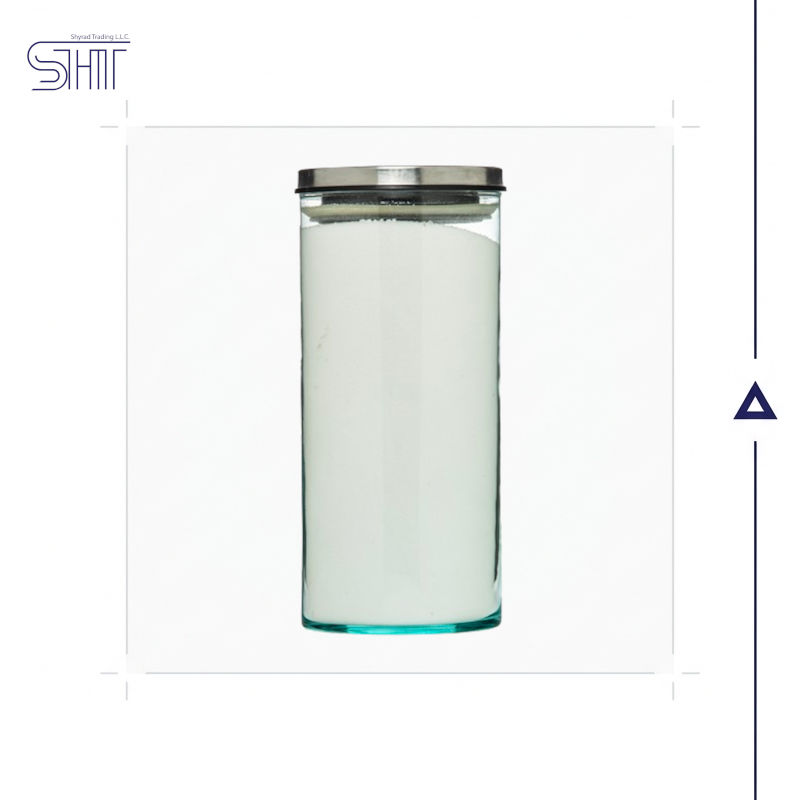
Strontium carbonate is an inorganic compound composed of strontium, carbon, and oxygen. It occurs naturally as the mineral strontianite and appears as a white, odorless powder. The compound is widely used in ceramics, glass manufacturing, pyrotechnics, and in the production of other strontium compounds. One of its most notable uses is in fireworks, where it produces a bright red color.

chemical formula

SrCO₃

Physical and Chemical Properties

Chemical Formula: SrCO₃

Molar Mass: 147.63 g/mol

Appearance: White crystalline powder

Density: ~3.7 g/cm³

Melting/Decomposition Point: ~1100–1490 °C (decomposes)

Solubility: Slightly soluble in water; soluble in acids

Crystal Structure: Orthorhombic (similar to aragonite)

Molecular Structure and Reactions

Strontium carbonate is relatively stable but reacts with acids to produce carbon dioxide gas and soluble strontium salts.

Reaction with hydrochloric acid:

SrCO₃ + 2HCl → SrCl₂ + CO₂ + H₂O

When heated strongly, strontium carbonate decomposes to form strontium oxide and carbon dioxide:

SrCO₃ → SrO + CO₂ (at high temperature)

This thermal decomposition is important in the production of other strontium compounds.

Production Methods

  1. From Natural Minerals

Strontium carbonate is naturally obtained from the mineral strontianite through mining and purification processes.

  1. From Celestite (SrSO₄)

The most common industrial production method uses the mineral celestite. The process typically involves reduction and chemical conversion steps:

Reduction of celestite to strontium sulfide:

SrSO₄ + 2C → SrS + 2CO₂

Conversion of strontium sulfide to strontium carbonate:

SrS + CO₂ + H₂O → SrCO₃ + H₂S

  1. Precipitation Method

Strontium salts in solution can react with carbonate ions to precipitate strontium carbonate.

Example:

SrCl₂ + Na₂CO₃ → SrCO₃↓ + 2NaCl

Applications

  1. A) Pyrotechnics and Fireworks

Strontium carbonate is widely used in fireworks and signal flares because it produces an intense red flame color when burned.

  1. B) Glass and Ceramics

It is used in the manufacture of specialty glass and ceramic glazes. Strontium improves durability, chemical resistance, and optical properties.

  1. C) Ferrite Magnets

Strontium carbonate is a key raw material for producing strontium ferrite magnets, which are used in loudspeakers, motors, and electronic devices.

  1. D) Electronics

It is used in the production of cathode ray tube (CRT) glass and other electronic components because of its ability to absorb X‑rays.

  1. E) Chemical Industry

Strontium carbonate serves as a starting material for producing other strontium compounds such as strontium nitrate, strontium oxide, and strontium hydroxide.

Advantages

Advantages

Summary

Strontium carbonate is an important industrial compound valued for its stability, versatility, and role in producing red flames in pyrotechnics. It is widely used in ceramics, glass manufacturing, electronics, and magnet production, making it an essential material in several industrial sectors.